Common Causes of Damage in Commercial Stamped Concrete Surfaces
Local contractors specializing in commercial stamped concrete repair can help address common causes of damage, restoring durability and appearance to your surfaces effectively.
Understanding the common causes of damage in commercial stamped concrete surfaces is essential for property owners aiming to maintain a durable and attractive outdoor space. Over time, factors such as exposure to harsh weather conditions, heavy foot or vehicle traffic, and improper installation can lead to cracking, chipping, or surface deterioration. Recognizing these issues early can help prevent more extensive damage and preserve the aesthetic appeal of the stamped concrete. Local contractors experienced in commercial stamped concrete repair are equipped to assess these causes and recommend effective solutions to restore and protect the surface.
For property owners in the area, exploring these common causes is a practical step toward safeguarding their investment. Whether dealing with minor surface wear or more significant structural concerns, professional repair services can address the root issues and extend the lifespan of stamped concrete surfaces. By understanding what can go wrong, owners are better prepared to seek the right expertise when repairs are needed, ensuring their commercial spaces remain functional and visually appealing for years to come.
- When commercial stamped concrete surfaces experience cracking due to freeze-thaw cycles, local contractors can perform repairs to restore durability. - Excessive weight or heavy equipment can cause surface pitting and deterioration, prompting local service providers to assess and repair damage. - Spalling caused by improper installation or poor joint placement is addressed by local pros through targeted repair and sealing techniques. - Stains and discoloration from chemical spills or exposure are remedied by local contractors using specialized cleaning and resurfacing methods. - Surface erosion from water runoff or poor drainage can lead to uneven surfaces, with local service providers offering repairs to improve longevity.
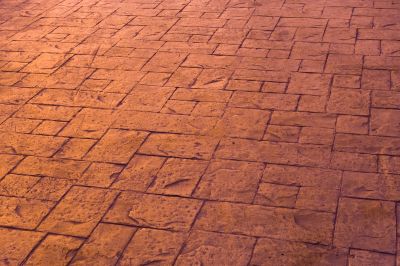
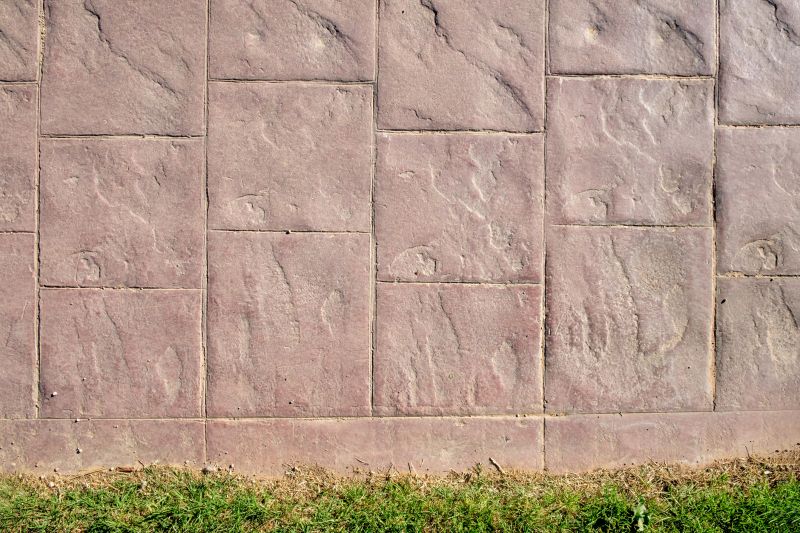
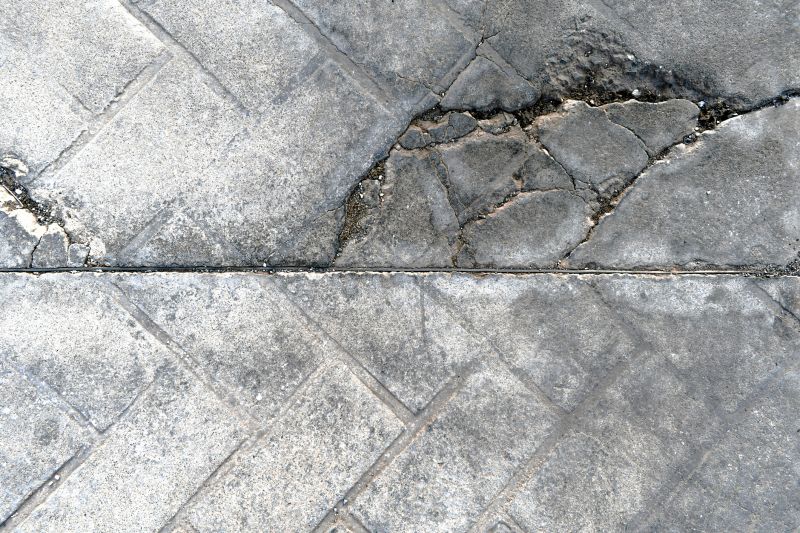
Understanding the common causes of damage in commercial stamped concrete surfaces is essential for property owners and managers seeking to maintain the appearance and durability of their outdoor spaces. These surfaces are often used for patios, walkways, driveways, and decorative features on commercial properties such as retail centers, office complexes, and hospitality venues. When searching for information on this topic, many are looking to identify why their stamped concrete has begun to show signs of wear, cracking, or surface deterioration. Recognizing these causes helps in planning appropriate repairs and prevents further damage, ensuring the surface remains functional and visually appealing for years to come.
Various factors contribute to the deterioration of stamped concrete surfaces. Improper installation techniques, such as inadequate sub-base preparation or incorrect curing methods, can lead to early cracking and surface failure. Exposure to harsh weather conditions, including freeze-thaw cycles, can cause the concrete to expand and contract, resulting in surface spalling or cracking. Additionally, heavy traffic or repeated weight loads can put stress on the surface, especially if the concrete was not designed or reinforced to handle such forces. Chemical spills or the use of de-icing salts may also lead to surface erosion or staining, further compromising the integrity of the stamped concrete.
Property types that typically encounter issues with damage in stamped concrete are diverse but often include commercial parking lots, outdoor dining areas, sidewalks, and entryways. These surfaces are frequently subjected to high foot traffic, vehicular movement, and exposure to the elements, making them more vulnerable to wear and tear. Retail centers, warehouses, and hospitality properties often have large expanses of stamped concrete that require regular upkeep and repair. Without proper maintenance or timely intervention by experienced service providers, these surfaces can develop cracks, surface scaling, or uneven areas, which may pose safety hazards or diminish curb appeal.
Local contractors specializing in stamped concrete repair play a critical role in addressing common causes of damage. They can assess the extent of deterioration, identify underlying issues such as poor installation or environmental stressors, and recommend effective solutions. Whether it involves crack filling, surface patching, or complete resurfacing, these professionals have the expertise to restore the integrity and appearance of commercial stamped concrete surfaces. Connecting with qualified service providers ensures that repairs are performed correctly, helping property owners protect their investment and maintain the safety and aesthetics of their outdoor spaces.
Commercial paving projects - local contractors experienced in large-scale paving often handle issues related to surface damage, including cracks and spalling that can affect stamped concrete surfaces.
Industrial flooring installations - these projects require precise planning and tools similar to those used in stamped concrete repair, especially when addressing surface wear and structural issues.
Outdoor decorative concrete applications - professionals working on decorative concrete surfaces have the expertise to repair damage caused by weathering, staining, and surface deterioration.
Sidewalk and plaza resurfacing - these projects involve surface preparation and overlay techniques that are comparable to repairing common damage in stamped concrete surfaces.
Parking lot reconstruction - local service providers familiar with asphalt and concrete surfaces can address damage issues similar to those seen in stamped concrete, such as cracking and surface spalling.
Landscape hardscape projects - these often include stamped concrete elements, and contractors can handle common damage causes like settling and surface cracking effectively.
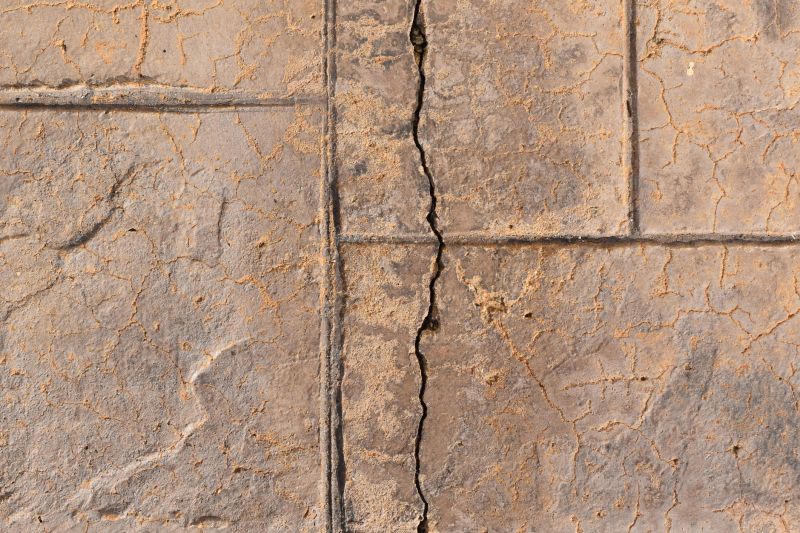
When comparing service providers for commercial stamped concrete repair, it is important to consider their experience with similar projects. Contractors who have handled repairs on surfaces affected by common causes of damage in commercial stamped concrete surfaces are more likely to understand the nuances of these issues. This familiarity can translate into more effective solutions and durable repairs. Homeowners should inquire about the types of projects a contractor has completed and seek out evidence of their experience in addressing specific problems like cracking, spalling, or surface wear that often result from exposure to heavy traffic, improper installation, or weather-related stress.
Clear, written expectations are essential when evaluating potential service providers. A reputable contractor should be able to provide detailed descriptions of the scope of work, materials to be used, and the repair process. This transparency helps ensure that both parties are aligned on the project’s goals and reduces the risk of misunderstandings. Homeowners are encouraged to ask for written estimates and project plans, and to verify that the contractor explains how they will address the common causes of damage in commercial stamped concrete surfaces. Well-documented expectations foster a smoother repair process and help establish trust between the homeowner and the service provider.
Reputable references and good communication are key factors to consider when choosing local contractors for stamped concrete repairs. Service providers with positive references from previous clients demonstrate a track record of successful projects and satisfied customers. Additionally, clear and responsive communication throughout the process indicates professionalism and a commitment to customer service. Homeowners should seek out references or reviews and observe how promptly and thoroughly the contractor responds to questions. This level of engagement can provide confidence that the contractor understands the specific challenges associated with commercial stamped concrete surfaces and can effectively address issues caused by common damage factors.
Property owners often search for common causes of damage in commercial stamped concrete surfaces when they are planning practical projects around their homes and businesses. Local pros provide Commercial Stamped Concrete Repair services for everyday jobs and straightforward project options.
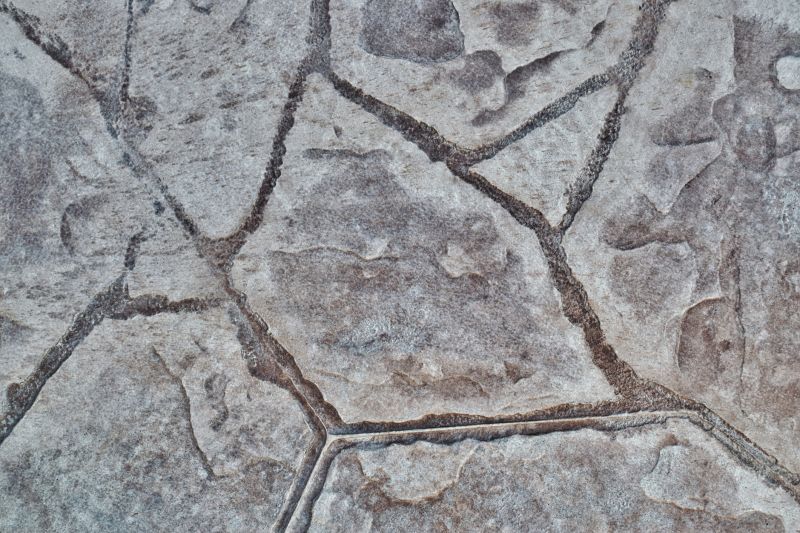
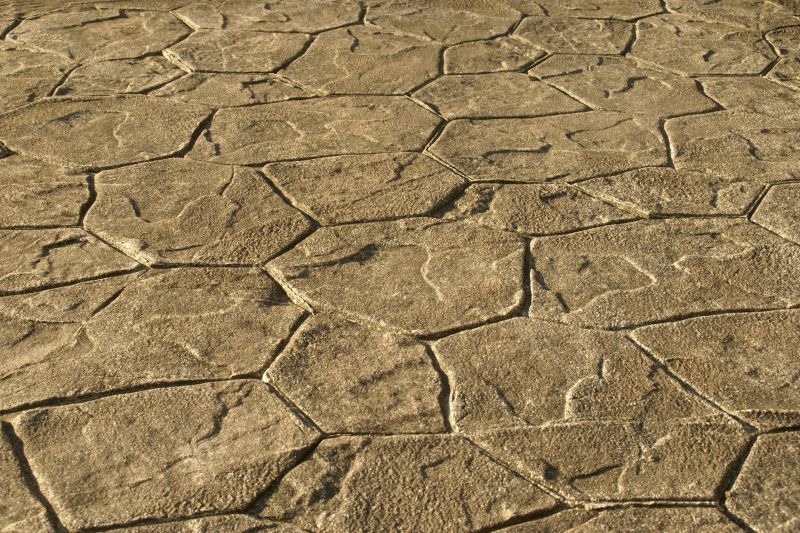
Understanding the common causes of damage in commercial stamped concrete surfaces can help property owners avoid costly repairs and maintain the appearance of their outdoor spaces. Everyday activities like heavy foot traffic, frequent vehicle movement, or the placement of heavy equipment can lead to surface wear, cracking, or surface spalling over time. Additionally, exposure to harsh weather conditions such as freeze-thaw cycles, excessive moisture, or direct sunlight can weaken the concrete, causing surface deterioration or discoloration. Property owners often seek out local contractors who specialize in stamped concrete repair to address these issues early and prevent further damage.
Many types of damage in commercial stamped concrete surfaces originate from simple, everyday situations. Improper installation, such as inadequate base preparation or incorrect sealing, can make the surface more vulnerable to cracking or surface erosion. Spills of chemicals, oils, or de-icing agents can also cause staining or surface breakdown if not cleaned promptly. Regular maintenance issues, like neglecting timely sealing or cleaning, may accelerate deterioration. When damage occurs, local service providers can assess the extent of the wear, identify the root causes, and perform appropriate repairs to restore the integrity and appearance of the stamped concrete surface.
What are common causes of damage in commercial stamped concrete surfaces? Heavy loads, improper installation, exposure to harsh weather, and chemical spills are typical factors that can lead to damage in stamped concrete. Local contractors experienced in stamped concrete repair can assess and address these issues effectively.
How does improper installation contribute to damage in stamped concrete? Poorly executed installation can cause issues like uneven surfaces, cracking, and delamination, which may require professional repair services to restore the surface’s integrity.
Can weather conditions cause damage to stamped concrete? Yes, freeze-thaw cycles, heavy rainfall, and prolonged exposure to sunlight can weaken stamped concrete over time, leading to cracks and surface deterioration that local service providers can repair.
What role do chemical spills play in damaging stamped concrete surfaces? Chemicals such as de-icing salts, oils, and acids can stain or erode the surface, making repairs necessary to prevent further damage and restore appearance.
How can local contractors help prevent or repair damage caused by common issues? Experienced service providers can evaluate the cause of damage, perform necessary repairs, and recommend protective measures to extend the lifespan of stamped concrete surfaces.
Heavy loads and traffic - Regularly exposing stamped concrete surfaces to heavy vehicles or equipment can cause cracks and surface damage, which local contractors can repair to restore durability.
Poor installation practices - Improper mixing, curing, or finishing techniques during installation may lead to early surface deterioration, with local service providers offering expert repairs to address these issues.
Exposure to harsh weather conditions - Freeze-thaw cycles, excessive moisture, or direct sunlight can weaken stamped concrete over time, and experienced contractors can help reinforce or restore affected areas.
Chemical spills and staining - Exposure to oils, de-icing salts, or other chemicals can cause surface staining or deterioration, with local pros able to perform cleaning and resurfacing to maintain appearance and integrity.
If you are thinking about common causes of damage in commercial stamped concrete surfaces for a property, this guide is meant to help you understand this topic, the typical project types, and how different options might fit your plans.
When you are ready, you can use the quote form on this page to share a few details about your project. From there, local pros can review the basics and follow up with options that match what you have in mind.